Is Your Dusty House Caused by Your Ducts?
A dusty house isn't always a duct problem. How to work out where your dust is coming from and the few signs that point to the ductwork.
You dust on Saturday, and by Wednesday there's a gray film on the TV stand again. It's natural to suspect the ducts. After all, air comes out of them all day. Sometimes the ductwork really is part of the problem. Often, though, the dust has other sources, and cleaning the ducts alone won't make much of a difference.
Here's how to sort out which situation you're in before spending money.
Where household dust actually comes from
Household dust is a mix: fibers from clothing, bedding and furniture, skin flakes, pet dander and hair, soil tracked in on shoes, pollen, and fine particles from cooking. In a dry climate like the Front Range's, wind can push in fine dust through doors, windows and small gaps.
The EPA makes an important point here: dirty ducts are only one of many possible sources of particles in a home, and everyday activities like cooking, cleaning, smoking or just moving around can contribute more. It also notes that much of the dirt in ducts sticks to duct surfaces and doesn't necessarily enter the living space.
So a dusty house is common. A dusty house caused mainly by the ducts is less common.
Clues that point away from the ducts
Before you look at the ductwork, check the more likely causes:
- The filter. A clogged, cheap or poorly fitted filter lets more dust circulate. The EPA recommends the highest-efficiency filter your HVAC system's manufacturer allows, changed regularly, with no gaps around it.
- Fabric and foot traffic. Rooms with lots of carpet, rugs, upholstery and bedding often get dusty faster.
- Pets. Shedding and dander add up quickly.
- Recent projects. Drywall work, sanding or flooring can leave fine dust in a house for weeks.
- Gaps and drafts. Leaky doors and windows let outdoor dust in, especially on windy days.
- Vacuuming habits. The EPA recommends a high-efficiency (HEPA) vacuum or the highest-efficiency bags your vacuum takes. A vacuum with a poor filter can blow fine dust back into the room.
If dust is about the same everywhere and nothing comes out of the vents when the system starts, the ducts probably aren't the main cause.
Clues that point toward the ducts
The EPA describes a few situations where cleaning the ducts is worth considering. Watch for:
- Dust or debris visibly blowing out of supply registers when the system starts. Hold a flashlight beam across a register on startup and look for a puff.
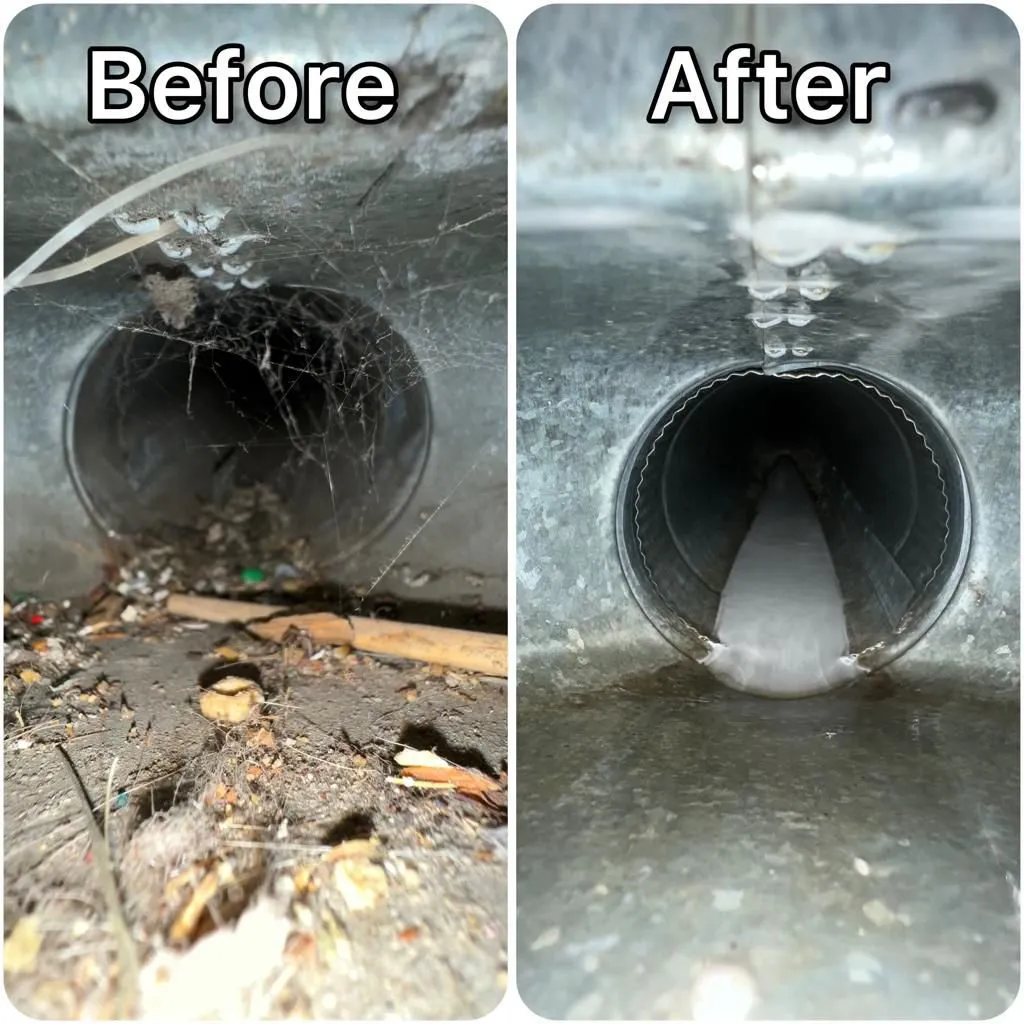
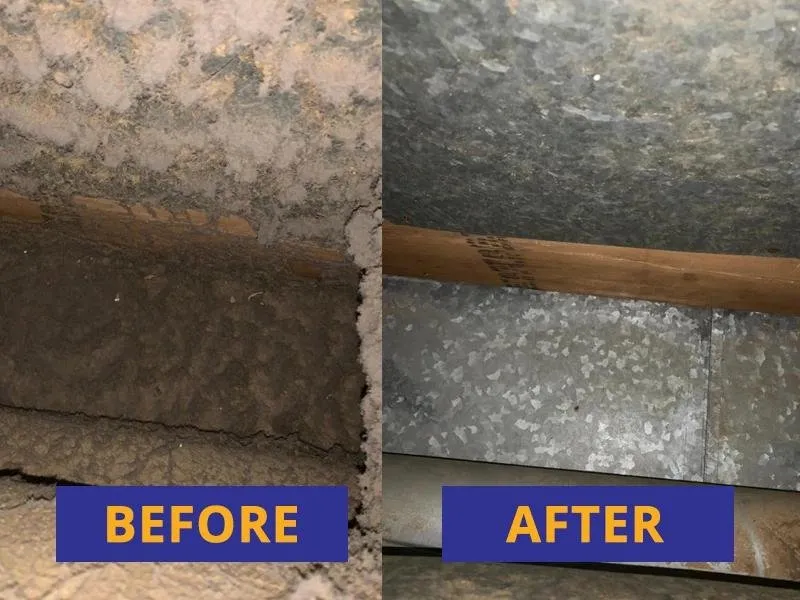
- Heavy buildup inside the ducts. Lift a register cover and shine a light a few feet in. A light layer is normal. Thick, clumpy buildup is not.
- Construction debris in the system, like after a remodel done without sealing the registers.
- Signs of pests in the ductwork, once the pests have been dealt with.
- One room that's much dustier than the others, especially near a particular vent.
If you see substantial visible growth inside ducts, the EPA says only a qualified professional can confirm whether it's mold. That's not something a duct cleaning company should diagnose.
A simple two-week test
If you're not sure, try this:
- Replace the HVAC filter with a fresh one at the efficiency your system allows.
- Wipe or wash the register covers.
- Dust and vacuum as usual.
- After two weeks, look at the filter, the registers and your furniture.
If the registers are dusty again and the new filter looks heavily loaded, the system is moving a lot of dust and a closer look at the ducts makes sense. If the registers stay clean but the furniture doesn't, the dust is coming from somewhere else.
When a cleaning makes sense
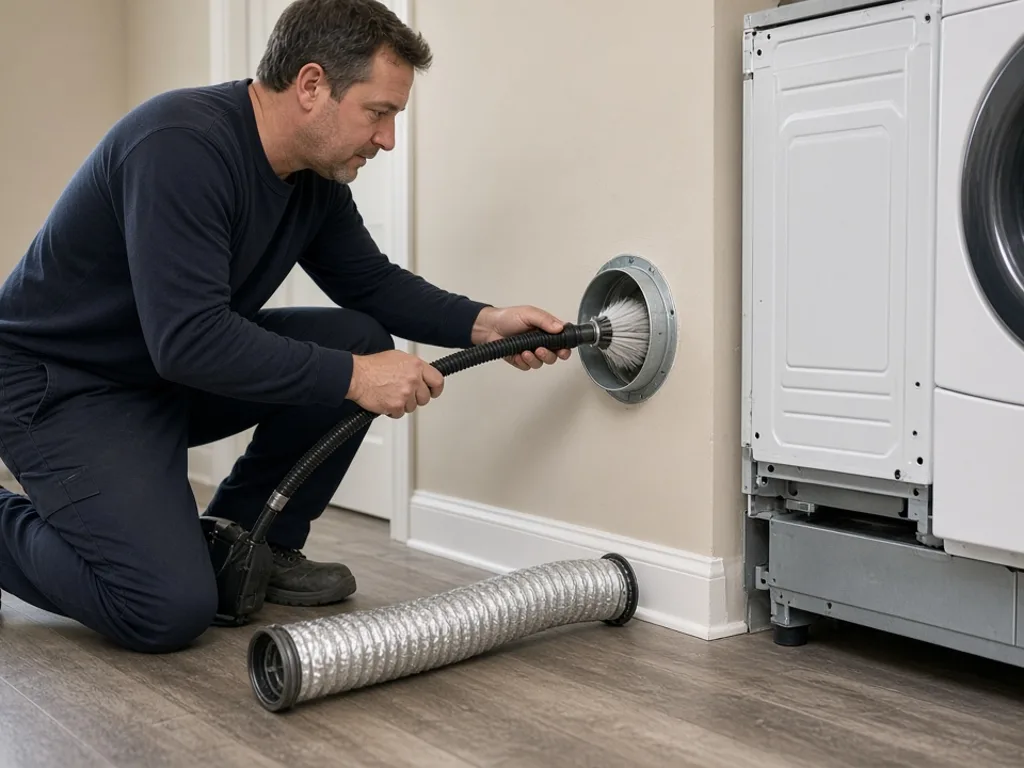
If the clues point to the ducts, our air duct cleaning covers the supply and return ducts and the registers, using rotating brushes and a HEPA-filtered vacuum. It's $199 to start, covering up to 10 vents, plus $29 per additional vent. For a single dusty room, deep duct cleaning at $59.99 per vent can target just those runs. See our pricing page for every service in one place.
We'll be straight with you: a duct cleaning won't stop household dust from forming. It removes what's built up in the ducts. Filter changes and source control keep the house cleaner day to day.
See the full list of areas we serve near Lone Tree.
If you've done the two-week test and the registers point to the ducts, request a free estimate from American Air Duct Cleaning of Lone Tree.
Sources
- Should You Have the Air Ducts in Your Home Cleaned?, U.S. EPA, last updated February 19, 2026